
Estimated reading time: 5 minutes
How to compare pump types, controls and manufacturers for municipal and industrial applications.
When a heavy storm hits, a pump station does not get a second chance. If the pumps cannot keep pace with incoming runoff—or debris, power loss or poor controls take the system offline—water can back up into streets, parking areas, facilities and other critical infrastructure.
The best stormwater pumping system is not automatically the one with the highest horsepower. It is the system that can move the required peak flow against the actual total dynamic head, pass the debris expected at the site, respond to changing water levels and remain serviceable when conditions are at their worst.
In short: selecting a stormwater pump requires five core inputs—design flow, total dynamic head, solids and debris, installation type, and the required level of redundancy and control.
Kerr Pump & Supply helps municipalities, consulting engineers, contractors and facility teams evaluate those requirements and build complete municipal pumping systems for water, stormwater and wastewater applications in Michigan and Northwest Ohio.
What Is a Stormwater Pumping System?
A stormwater pumping system collects and moves rainwater or snowmelt when gravity drainage alone cannot discharge it quickly enough. Depending on the site, the system may protect:
- Roads, underpasses and parking structures
- Municipal drainage networks
- Detention or retention basins
- Industrial and commercial properties
- Construction excavations
- Low-lying areas and flood-control infrastructure
A complete station usually includes more than a pump. The wet well or basin, intake conditions, discharge piping, check and isolation valves, level sensing, electrical controls, alarms, standby capacity and access for maintenance all affect whether the station performs reliably.
The Fast Answer: Which Stormwater Pump Type Is Best?
There is no single best stormwater pump for every project. Match the design to the job:
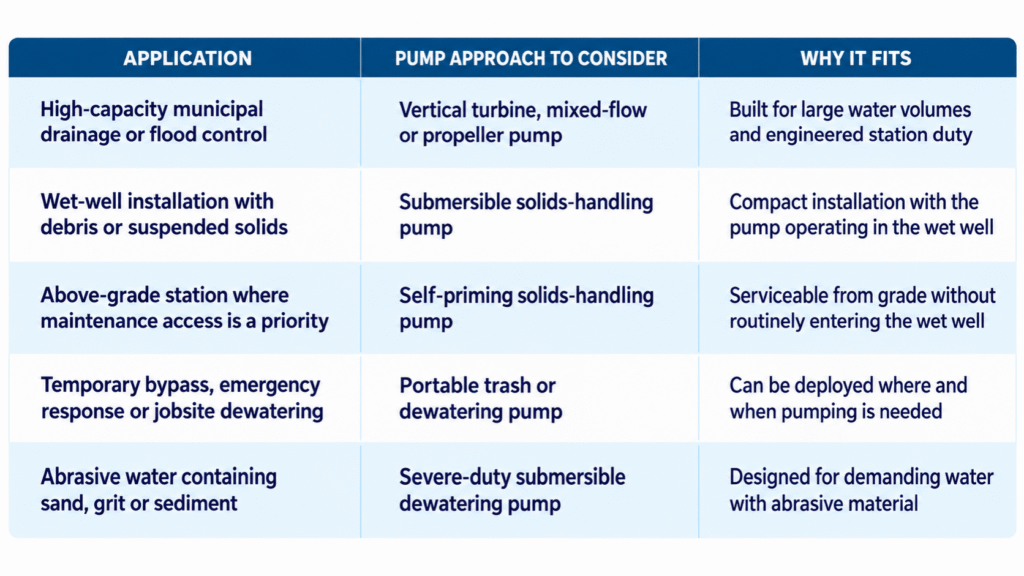
The final selection must still be checked against the system curve, pump performance curve, operating range and site conditions.
7 Factors That Determine the Right Stormwater Pump
1. Peak design flow
Start with the inflow the station must handle, normally expressed in gallons per minute (GPM). Average rainfall is not the design point. The engineer must consider the applicable design storm, drainage area, runoff characteristics, allowable storage and local requirements.
Undersizing can allow the wet well or basin to overtop. Oversizing can also create problems, including short cycling, inefficient operation and unnecessary capital cost. Where flows vary widely, multiple pumps or variable-frequency drives may provide a better operating range than one oversized unit.
2. Total dynamic head
Flow alone does not size a pump. Total dynamic head, or TDH, represents the energy the pump must add to move water through the system. It includes elevation change, pressure requirements and losses through the discharge piping, valves and fittings.
Pump selection should be based on the point where the pump curve and system curve meet—not horsepower alone.
3. Solids, sediment and debris
Stormwater can carry leaves, trash, grit, sand and other material. Identify the expected solids size, concentration and abrasiveness before choosing the pump and impeller. A solids-handling, vortex, shredder or severe-duty design may be appropriate depending on what enters the collection system.
Also evaluate screens, intake geometry and wet-well design. A pump that can pass debris still needs well-behaved inlet flow and adequate submergence.
4. Installation configuration
The site may favor a submersible, vertical or above-grade self-priming arrangement.
- Submersible pumps can reduce above-grade space requirements and simplify wet-well layouts.
- Vertical pumps can support high-flow municipal and flood-control applications, with selected configurations keeping the drive and controls above the flood level.
- Self-priming pumps place major service points above grade, which can make inspection and maintenance easier.
- Portable pumps provide temporary capacity for construction, bypass or emergency response.
5. Redundancy and backup power
Stormwater stations operate during the same severe weather that can interrupt utility power or make service difficult. Critical installations may need duty/standby or multi-pump capacity, automatic alternation, high-level alarms and a generator or other backup-power strategy.
Redundancy should be evaluated as a system requirement. An installed spare pump adds little protection if the controls, power source or discharge path remain a single point of failure.
6. Controls and level measurement
Reliable controls start, stop and alternate pumps as water levels change. Depending on the application, a station may use level sensors, alarm panels, programmable logic controllers (PLCs), variable-frequency drives (VFDs), telemetry and remote monitoring.
Kerr designs and manufactures custom pump control panels for water and wastewater applications, including dewatering and pump systems. Kerr is UL Listed and can design and build to UL 508A and UL 698A requirements.
7. Maintenance and lifecycle access
A pump station should be designed for the people who will maintain it. Confirm how the pump will be removed, how clogs will be cleared, whether wear components are accessible, which lifting equipment is required and how the station can remain operational during service.
Also consider local parts availability, field support and the service capabilities behind the equipment. Kerr provides municipal and industrial pump repair and field service, including pump station inspections and 24-hour emergency support.
Recommended Stormwater Pump Brands Available Through Kerr
The following manufacturers are all strong options for a different set of stormwater conditions. The best choice depends on the hydraulic duty, debris, installation, operating strategy and maintenance goals.
Fairbanks Nijhuis: large municipal and flood-control stations
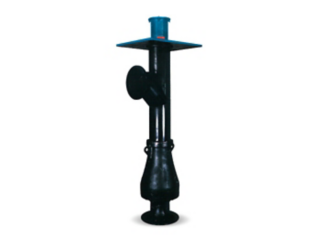
Fairbanks Nijhuis is a leading option for engineered municipal water, wastewater and flood-control service. Kerr offers Fairbanks Nijhuis end-suction, split-case, vertical turbine, mixed- and angle-flow, submersible and solids-handling pumps.
Fairbanks Nijhuis vertical turbine pumps are designed for duties that include stormwater and flood control. Its vertical turbine solids-handling designs are also suited to applications where trash, sludge or stringy material may be present. Certain configurations keep the drive system and controls above the flood plane, improving access and flood resilience.
Consider Fairbanks Nijhuis when: the project involves high flow, municipal infrastructure, flood control, an engineered wet well or a need for vertical, mixed-flow or solids-handling configurations.
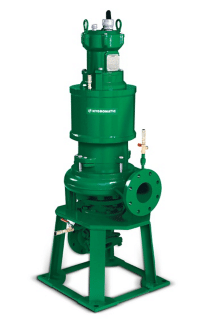
Hydromatic: submersible stormwater and solids-handling duty
Hydromatic offers a broad line of submersible wastewater, sump, sewage, effluent and large solids-handling pumps. Pentair identifies stormwater drainage as an application for Hydromatic solids-handling pumps, including runoff from streets, parking lots and basements.
Submersible pumps are well suited to wet wells where available space is limited and the pump can remain below the water level. Hydromatic also offers rail systems, controls and multi-pump arrangements for commercial and municipal installations.
Consider Hydromatic when: the station needs a submersible pump, must handle stormwater debris or solids, or would benefit from a duplex wet-well arrangement.
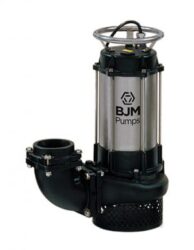
BJM Pumps: dewatering and abrasive stormwater
BJM Pumps specializes in submersible dewatering, sewage, solids-handling, sand, sludge and slurry pumps. Models are available for demanding conditions that may include abrasive solids, higher heads, corrosive fluids or severe duty.
That range makes BJM worth evaluating when stormwater contains substantial sand, grit or sediment, or when a rugged portable submersible pump is needed for dewatering.
Consider BJM when: the water is abrasive, the application is temporary or portable dewatering, or the site needs severe-duty submersible construction.
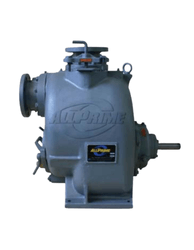
All Prime: self-priming solids handling with grade-level access
All Prime manufactures self-priming pumps for wastewater, construction and water service. Its solids-handling pumps provide front access for cleaning and inspection, and the rotating assembly can be removed without disturbing connected piping.
For the right station layout, an above-grade self-priming pump can keep routine service work out of the wet well and give operators direct access to key wear components.
Consider All Prime when: grade-level maintenance, self-priming operation and accessible solids-handling service are priorities.
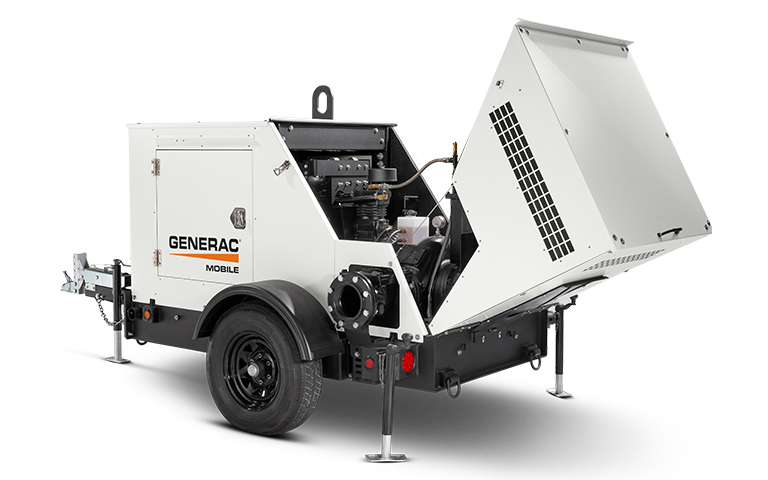
Generac Mobile: portable pumping and emergency response
Generac Mobile offers portable diesel trash pumps for demanding dewatering work, along with mobile generators. Wet-prime and dry-prime configurations support different setup and operating needs, while selected portable pumps are built to pass water containing solids.
Portable equipment can supplement permanent infrastructure during planned bypass work, construction or storm response. It should be selected and staged before an emergency, with suction conditions, discharge routing, fuel, staffing and connection points already considered.
Consider Generac Mobile when: the need is temporary, mobile or emergency pumping, or when a site requires portable power as part of its response plan.
A Stormwater Pump Selection Checklist
Before requesting a pump selection or proposal, gather as much of the following information as possible:
- Required minimum, normal and peak flow in GPM
- Static lift and proposed discharge point
- Discharge pipe length, diameter, material, fittings and valves
- Expected minimum and maximum wet-well levels
- Water temperature and chemistry
- Largest expected solids and the amount of sand, grit or debris
- Permanent, portable, submersible, vertical or above-grade installation preference
- Available electrical service and backup-power plan
- Simplex, duplex or multi-pump operating sequence
- Required alarms, telemetry, VFDs or remote monitoring
- Site access, lifting and maintenance constraints
- Applicable municipal specifications and electrical requirements
Providing this information helps an applications engineer develop the system curve, review pump operating points and compare suitable pump and control options.
Why the Pump, Controls and Station Should Be Engineered Together
A reliable stormwater station is an integrated system. The pump cannot correct a poorly designed wet well, an undersized discharge line, unstable inlet flow or controls that allow excessive cycling. Likewise, a well-selected pump cannot protect a station through a power failure without a backup strategy.
Kerr can support the full application with municipal pumps, valves and accessories, level instrumentation, custom controls, parts, repair and field service. That single-source approach helps align the mechanical and electrical equipment around the same operating requirements.
Talk With a Stormwater Pump Specialist
Planning a new stormwater pump station, replacing aging equipment or preparing for temporary dewatering? Contact Kerr Pump & Supply with your target flow, total dynamic head, site conditions and control requirements. Kerr’s sales engineers can help compare pump types and manufacturers for municipal and industrial stormwater applications in Michigan and Northwest Ohio.
Frequently Asked Questions About Stormwater Pumps
What type of pump is used for stormwater?
Common stormwater pumps include submersible solids-handling pumps, vertical turbine or mixed-flow pumps, self-priming solids-handling pumps and portable trash or dewatering pumps. The correct type depends on flow, total dynamic head, debris, station layout and whether the installation is permanent or temporary.
How do you size a stormwater pump?
Size a stormwater pump using the required design flow and the system’s total dynamic head. Then verify solids-handling needs, operating range, wet-well levels, available power, duty cycle and redundancy. Final selection should be made from the pump and system curves by a qualified engineer or pump specialist.
What is the difference between a stormwater pump and a sewage pump?
Stormwater pumps primarily move runoff, while sewage pumps move wastewater that can contain sanitary solids and fibrous material. Both may require solids-handling capability, but the expected material, system design and applicable requirements differ. The liquid and solids profile should be defined before choosing a pump.
Do stormwater pump stations need backup pumps?
Many critical stations use duty/standby or multi-pump arrangements so capacity remains available during maintenance or a pump failure. The need for redundancy depends on flood risk, required capacity, available storage, local requirements and the consequences of an outage.
Can a stormwater pump handle leaves, trash and sand?
Only if it is selected for those materials. Solids size, stringy debris and abrasive grit affect the required impeller, clearances and materials of construction. Screening, wet-well geometry and maintenance access should be evaluated with the pump.
Does Kerr Pump & Supply service municipal stormwater pumps?
Yes. Kerr provides municipal and industrial pump maintenance, in-house repair, field service, pump station inspections and 24-hour emergency support. Kerr serves customers in Michigan and Northwest Ohio.
Key Takeaways
- Stormwater pumping systems must handle peak flow, total dynamic head, debris, installation type, and include redundancy for effective operation.
- The design of a stormwater pumping system integrates pumps, controls, and various components to manage water effectively during heavy storms.
- Choosing the right stormwater pump requires knowledge of site conditions, flow requirements, and expected solids; different brands serve different needs.
- Kerr Pump & Supply offers expertise in evaluating and building municipal stormwater pumping systems in Michigan and Northwest Ohio.
- Regular maintenance, backup power, and proper installation are crucial for reliable stormwater pump station performance.