
Estimated reading time: 6 minutes
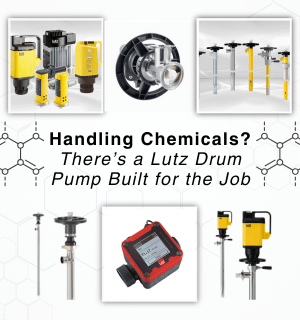
If you’re transferring chemicals from drums, totes, or containers, selecting the wrong pump can lead to safety risks, product contamination, downtime, or costly equipment failure. The right drum pump improves operator safety, transfer accuracy, chemical compatibility, and long-term reliability.
This guide walks you through how to choose the best drum pump for chemical transfer—and how Lutz Pumps solutions are designed to meet demanding industrial requirements. If you’re researching options, you can explore the full product lineup here.
Why Drum Pump Selection Matters for Chemical Transfer
Chemical transfer applications often involve:
- Corrosive acids and bases
- Flammable or hazardous liquids
- High-purity fluids that cannot be contaminated
- Viscous or temperature-sensitive media
Using the wrong materials or motor type can result in:
- Chemical attack and premature failure
- Static discharge or explosion hazards
- Inaccurate transfer rates
- Increased maintenance and downtime
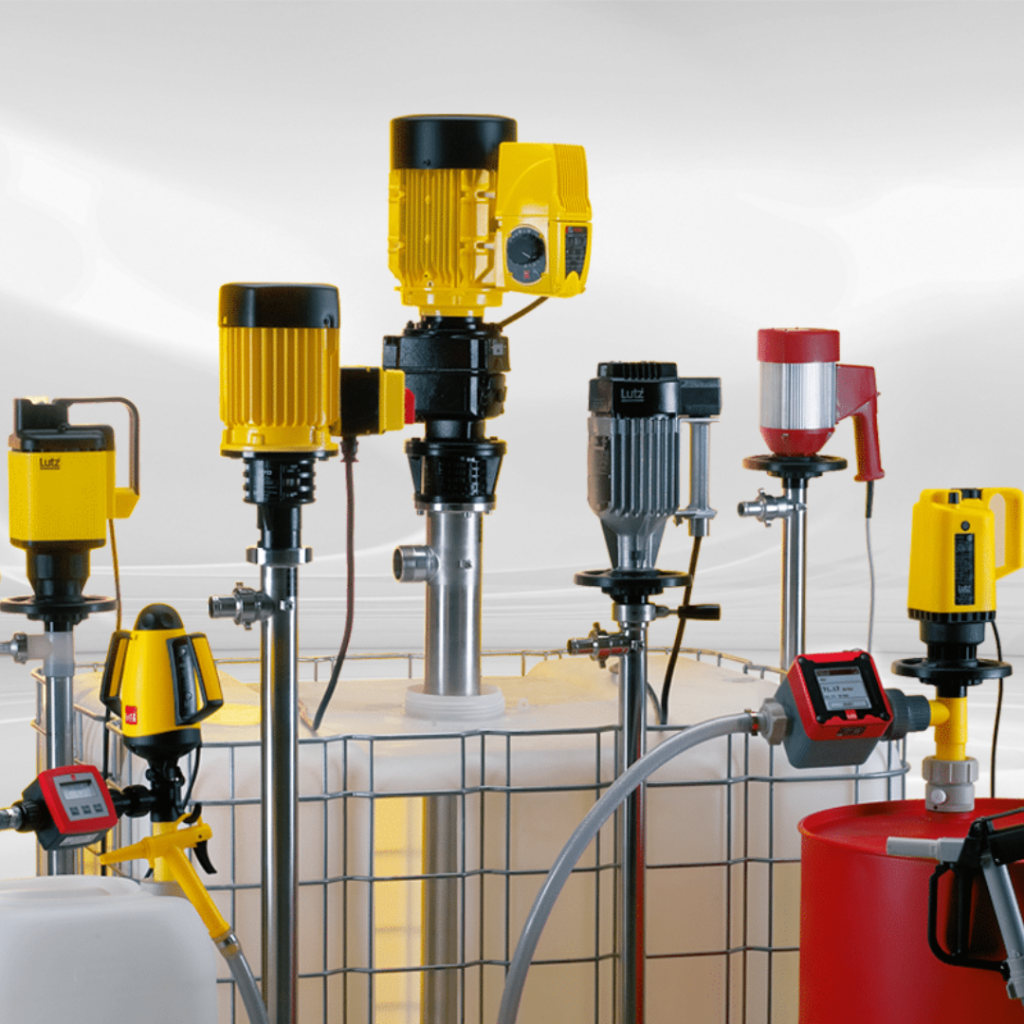
Lutz drum pumps are engineered specifically for safe, controlled transfer of chemicals from containers of all sizes, with configurations for aggressive, flammable, and high-purity fluids.
Steps to Choosing the Right Drum Pump
Step 1: Identify Chemical Compatibility
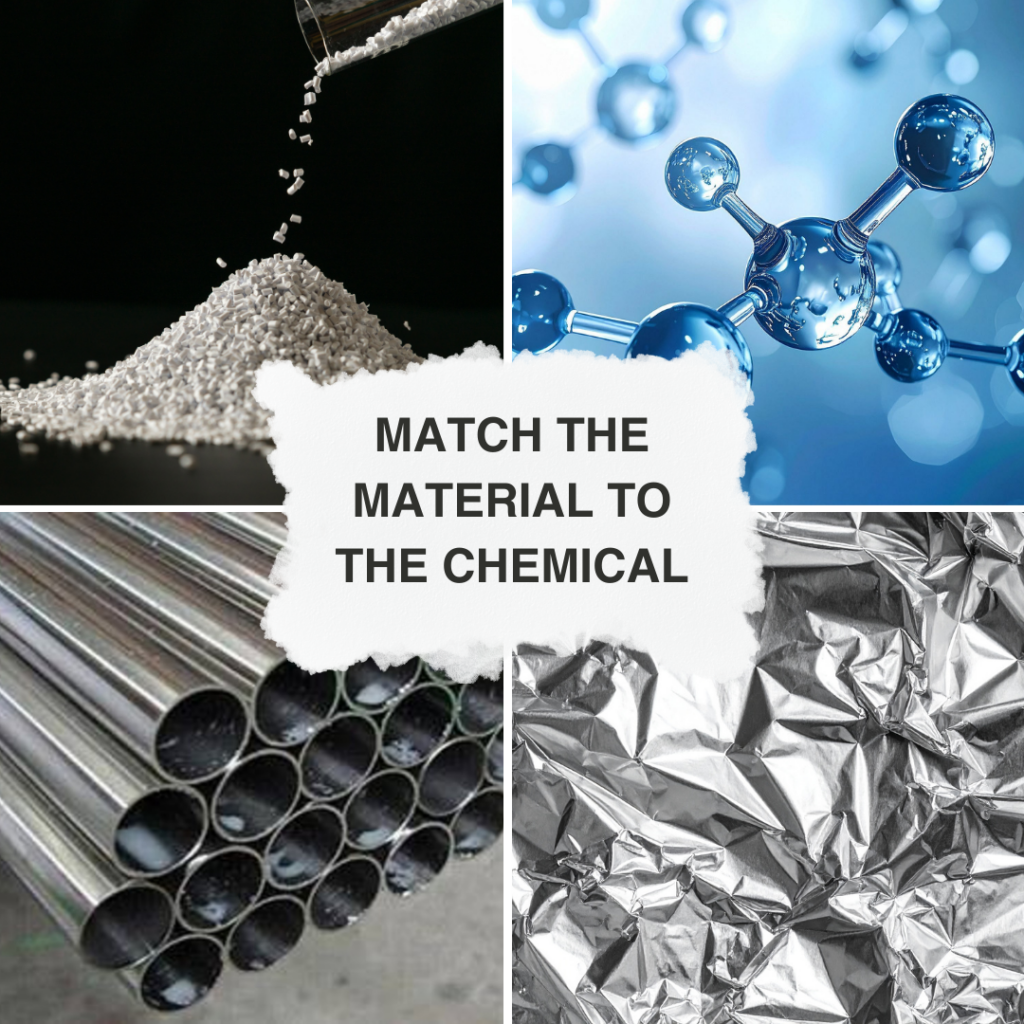
The most critical factor in drum pump selection is ensuring all wetted parts are compatible with the fluid.
Common Material Options
- Polypropylene (PP) – Acids, alkalis, and many chemicals
- PVDF – Highly aggressive or oxidizing chemicals
- Stainless Steel – Solvents, flammable liquids, and hygienic applications
- Aluminum – Oils, fuels, and general industrial fluids
Also available in CPVC and Hastelloy C materials for more challenging applications.
Chemical compatibility prevents:
- Material degradation
- Contamination
- Seal failure
- Safety hazards
Tip: Always verify chemical compatibility charts before selecting a pump.
Step 2: Determine Fluid Properties
Understanding the fluid’s physical characteristics ensures proper performance.
Key Properties to Evaluate
- Viscosity – Thin solvents vs. thicker oils or syrups
- Temperature – Hot liquids may require metal construction
- Specific gravity – Impacts motor sizing and flow performance
- Presence of solids – May require specialized configurations
Lutz systems are designed to handle a wide range of fluids—from light chemicals and solvents to heavier industrial liquids.
Step 3: Choose the Right Drive Type
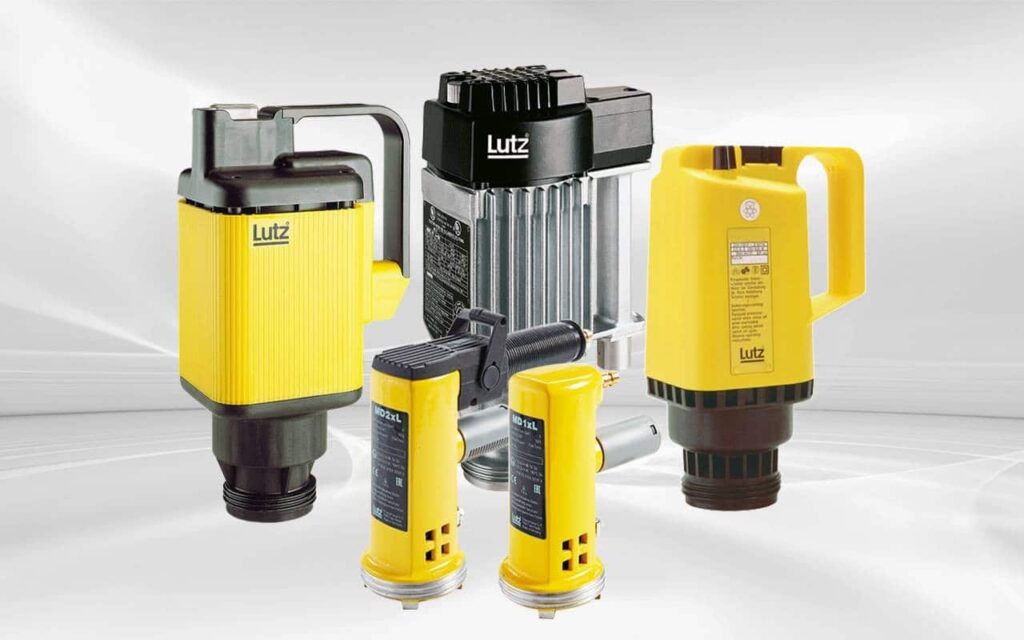
Drum pumps consist of two main components: the pump tube and the motor. Lutz’s modular design allows these to be matched for the application.
Motor Options
- Electric motors – Continuous industrial use
- Battery-powered motors – Portable, flexible operations
- Air-operated motors – Ideal for hazardous or explosive environments
For flammable chemicals, air motors or explosion-proof electric options help meet safety and compliance requirements.
Step 4: Consider Flow Rate and Transfer Speed
Selecting the correct flow capacity improves efficiency and reduces operator time.
Ask:
- How fast does the container need to be emptied?
- Is precise dosing required? If so, add the appropriate Lutz flow meter.
- How far does the chemical need to be pumped?
Lutz drum pumps are designed for controlled, consistent transfer, helping minimize spills, overfilling, and product waste.
Step 5: Evaluate Safety Requirements
Chemical transfer often involves hazardous environments. Important safety features include:
- ATEX-certified options for explosive atmospheres
- Grounding and anti-static designs
- Sealed systems to reduce vapor exposure
- Ergonomic handling for operator safety
Lutz offers ATEX-rated configurations for applications involving flammable liquids or hazardous environments. Proper equipment selection should always be based on applicable safety standards and site requirements.
To see how explosion-proof drum pumps work with flammable liquids and hazardous environments, check out this video from the manufacturer:
Step 6: Look for Flexibility and Modular Design
One of the biggest advantages of Lutz systems is their interchangeable motor and tube design.
Benefits:
- Use one motor across multiple fluids
- Swap tubes for different chemicals or container sizes
- Reduce equipment costs
- Simplify maintenance and inventory
This modular approach makes Lutz drum pumps ideal for facilities handling multiple chemicals.
Step 7: Match the Pump to Your Industry Application
Lutz drum pumps are widely used across:
- Chemical processing
- Manufacturing
- Water and wastewater treatment
- Food and beverage production
- Laboratories and maintenance operations
Their ability to handle corrosive, flammable, and sensitive liquids makes them a trusted solution for critical transfer applications.

Common Drum Pump Selection Mistakes to Avoid
- Choosing materials based on price instead of compatibility
- Ignoring hazardous area classifications
- Oversizing or undersizing flow capacity
- Using general-purpose pumps for aggressive chemicals
- Not planning for future fluid changes
Working with an experienced distributor ensures the pump is correctly specified the first time.
Why Choose Lutz Drum Pumps?
Key Advantages
- Wide chemical compatibility
- Electric, battery, and air drive options
- ATEX-certified models available
- Modular motor and tube system
- Designed for safe, precise liquid transfer
- Trusted worldwide for industrial chemical handling
Lutz Pump Selection Summary
Choosing the right drum pump for chemical transfer comes down to chemical compatibility, safety requirements, fluid properties, and operational needs. Proper drum pump selection can help improve operational safety, support reliable performance, and enable controlled, efficient liquid transfer.
Need help selecting the right configuration?
Work with an experienced distributor to match your fluid, environment, and performance requirements.
Key Takeaways
- Selecting the right Lutz Drum pump prevents safety risks and ensures reliable chemical transfer.
- Evaluate chemical compatibility and fluid properties to choose suitable materials and pump designs.
- Consider safety features like ATEX certification, grounding designs, and ergonomic handling when selecting a pump.
- Lutz systems offer modular designs, allowing flexibility for various chemical types and container sizes.
- Avoid common mistakes in pump selection by consulting experienced distributors for specific needs.